Twenty-one historic vehicles from twenty countries honoured during FIVA's 60th anniversary celebrations in Brussels
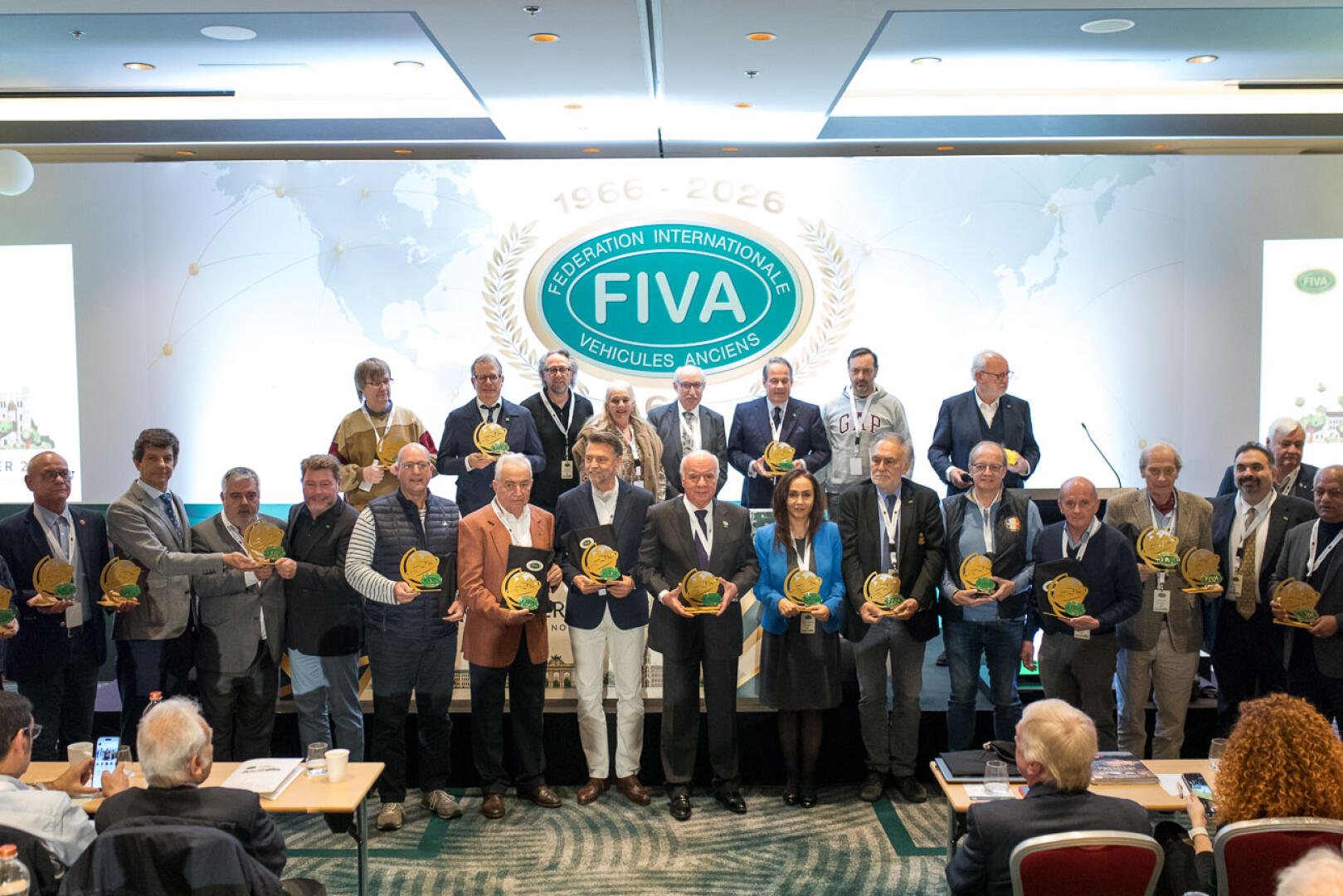
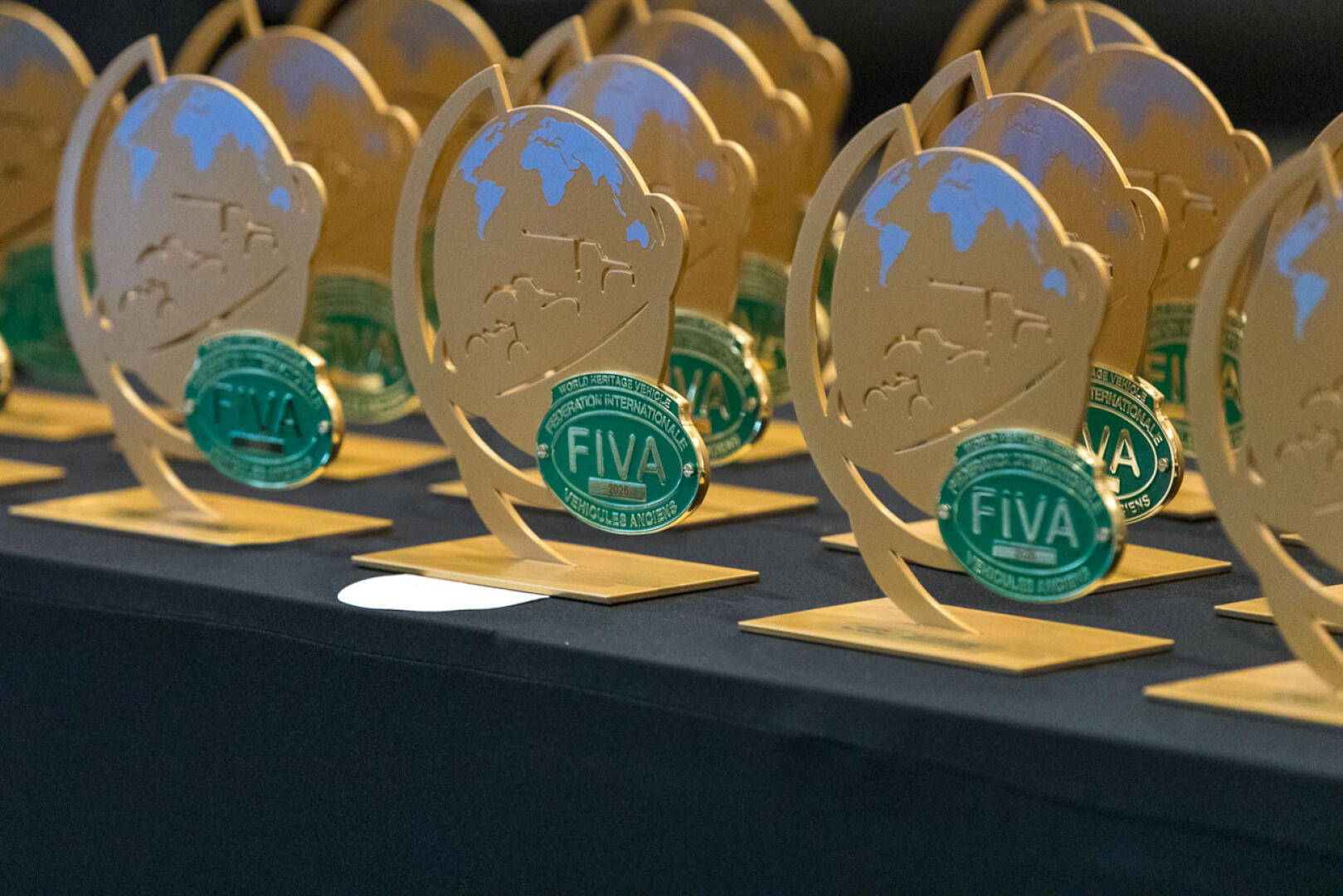
Brussels, 14 November 2026 – The Fédération Internationale des Véhicules Anciens (FIVA) unveiled the first recipients of the FIVA World Vehicle Heritage Award, honouring 21 vehicles from 20 countries for their exceptional contribution to national and international motoring heritage.
Created to recognise the many ways in which historic vehicles have influenced society, the award looks beyond conventional measures such as rarity, prestige and monetary value. Instead, it celebrates vehicles that have shaped national identities, transformed everyday mobility, contributed to industrial development or become enduring symbols of their time.
The awards were presented on 13 November 2026 during FIVA’s General Assembly in Brussels, held as part of the organisation’s 60th anniversary celebrations.
The inaugural selection highlights the extraordinary diversity of the world's automotive heritage. Among the recipients are vehicles that democratised mobility and transformed everyday life, including India's first Maruti 800, widely regarded as the small car that transformed the country's automotive landscape; Slovenia's Tomos moped; Austria's Steyr-Puch 700; and Brazil's Romi-Isetta.
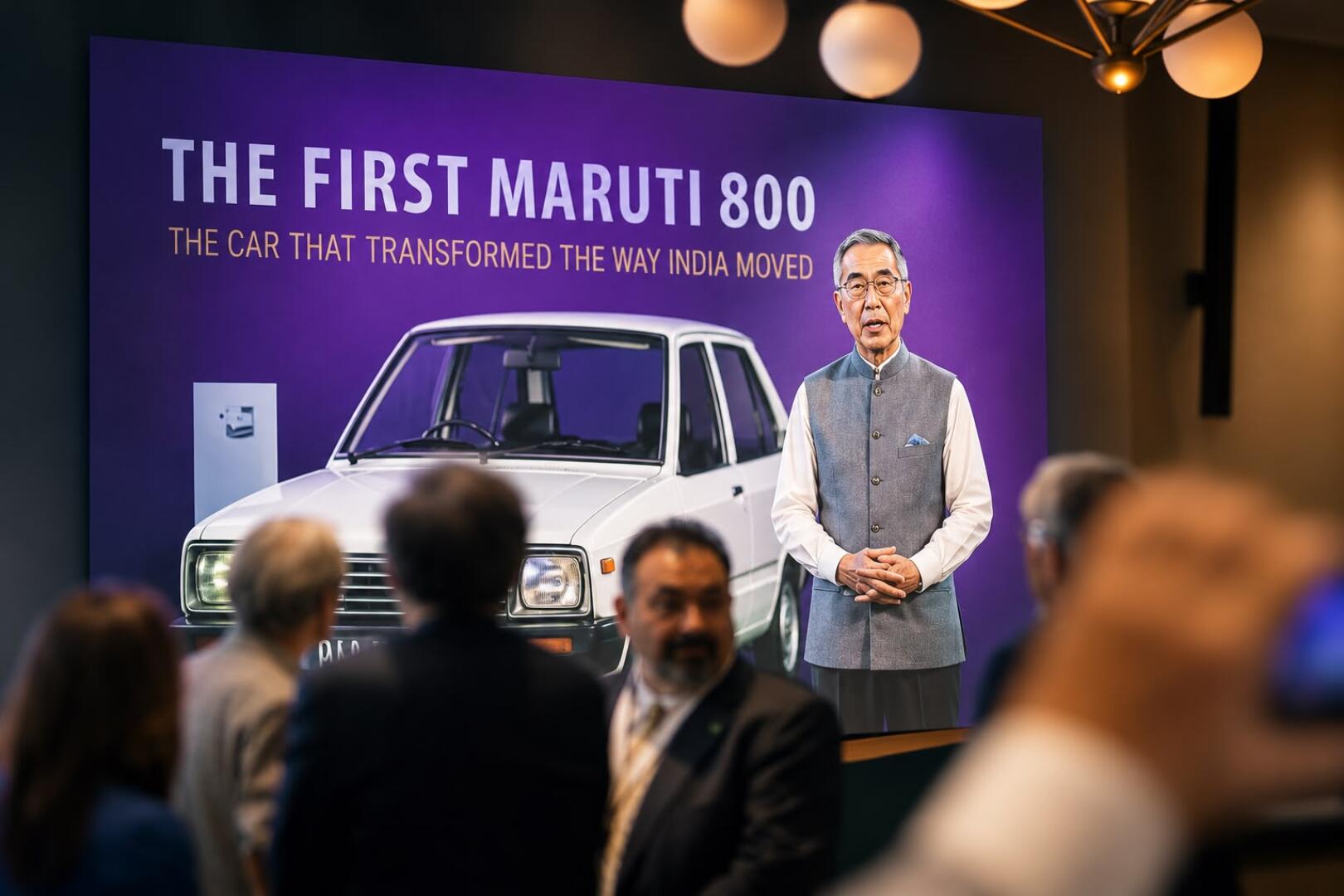
The award-winning Maruti 800, chassis no. 100014, holds a special place in India's automotive history. Delivered to its first owner by Prime Minister Indira Gandhi on 14 December 1983, the car marked the beginning of a new era of affordable personal mobility and played a pivotal role in the development of the country's automotive industry.
The selection also includes vehicles of exceptional historical and engineering significance, including Germany's oldest surviving operational Daimler truck and France's iconic Bugatti Type 41 Royale Coupé Napoleon.
Together, these 21 award-winning vehicles illustrate how automotive heritage extends far beyond exceptional engineering or exclusive marques. They embody the aspirations of generations, milestones in industrial development, profound social transformations, and the freedom and independence that mobility has brought to communities around the world.
The initiative reflects FIVA's conviction that preserving historic vehicles is about much more than safeguarding physical objects. It also involves protecting the knowledge, craftsmanship, memories and human experiences associated with them, preserving their cultural and historical significance for future generations.
Speaking at the presentation, FIVA President Alberto Scuro said: “It was a fitting celebration and award recognising the importance and relevance of historic vehicles and the role they played across the world in providing mobility and freedom, with great societal impact. I’d like to extend a special thanks to the
FIVA Technical Commission for its dedication, expertise and hard work in the demanding process of evaluating the candidates and selecting the vehicles honoured in this inaugural edition.”
The ceremony also featured messages from Mr. R.C. Bhargava, Chairman of Maruti Suzuki India Limited, and Mr. Toshihiro Suzuki, President of Suzuki Motor Corporation, Japan, highlighting the historical significance of the Maruti 800 and its lasting impact on India's automotive development.
Mrs. Ayda Abdo, Director of the Royal Automobile Museum in Jordan, also attended the event, addressing the audience and expressing her gratitude to FIVA for the recognition.
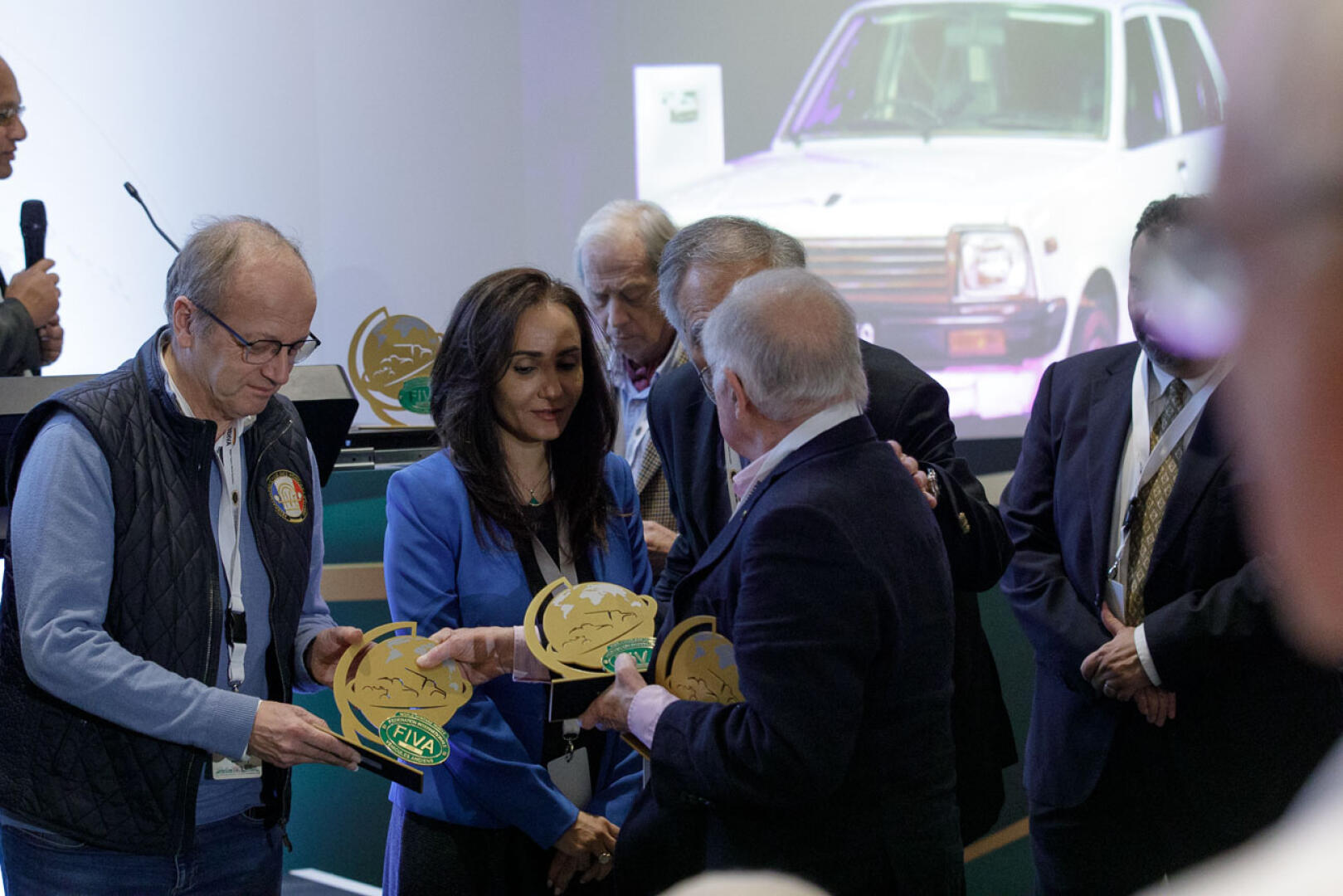
The FIVA World Vehicle Heritage Award is not intended to establish a hierarchy between vehicles or national histories. Rather, it recognises the individual contribution each has made to the collective story of mobility and celebrates the remarkable diversity of the world's motoring heritage.
As FIVA celebrates 60 years of dedication to the preservation and promotion of historic vehicles, the World Vehicle Heritage Award represents a significant step forward in recognising their cultural, historical and social value, while reaffirming the organisation’s commitment to safeguarding automotive heritage for future generations.