In preparation for Expo 2027, Belgrade is positioning itself as a global platform for dialogue, cooperation, and the exchange of knowledge across borders. From 15 May to 15 August 2027, the Serbian capital will welcome over 120 nations and millions of visitors, becoming a hub where businesses, policymakers, and innovators come together to explore new ideas and shape the future. The event is expected to leave a lasting legacy through new infrastructure, improved connectivity, and a dynamic urban transformation.
Within this context, the Serbian Association for Historic Vehicles (SSIV), FIVA’s ANF in Serbia, organised the event “Giants of Serbian Motoring” as part of the Belgrade International Motor Show (21–24 March 2026).
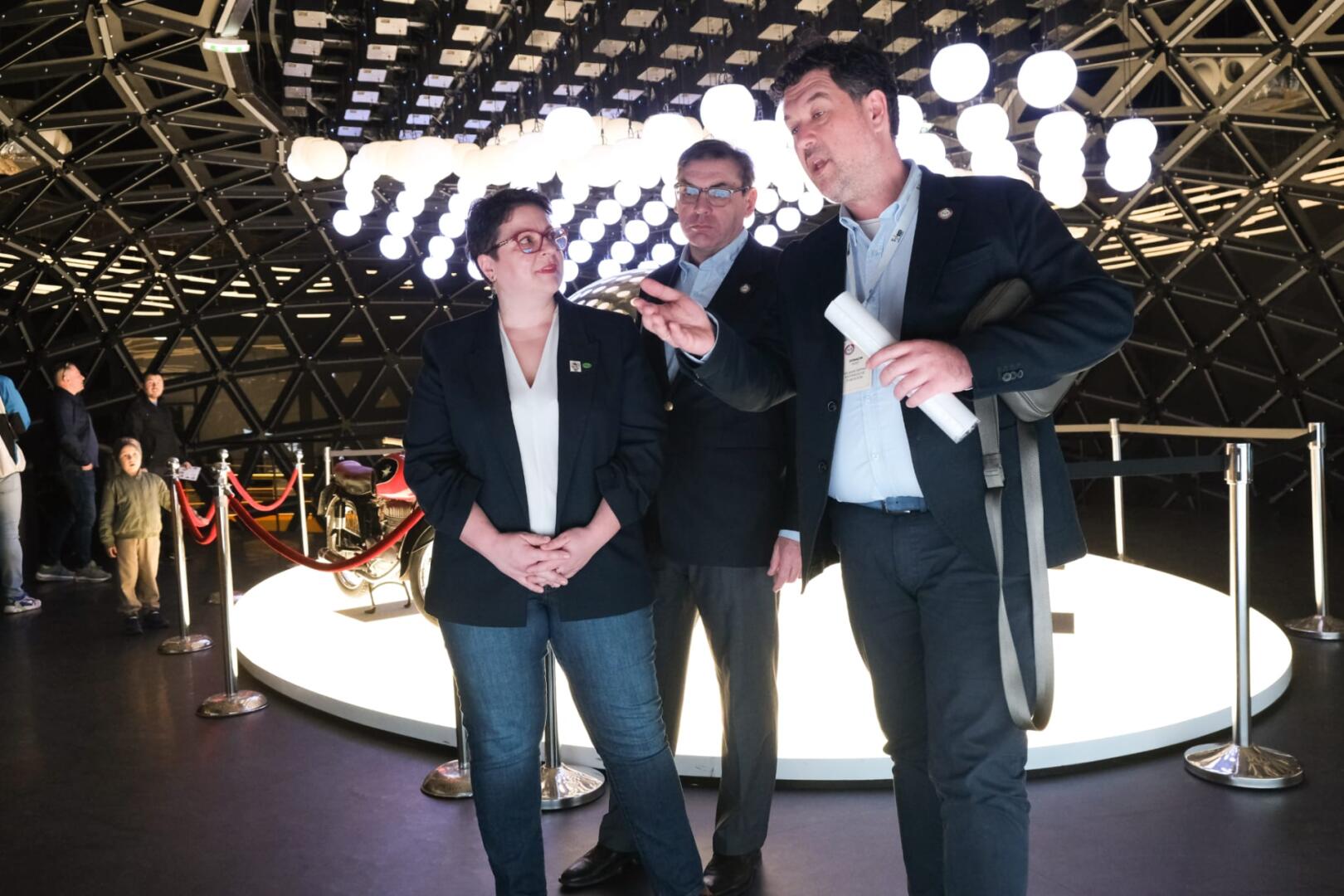
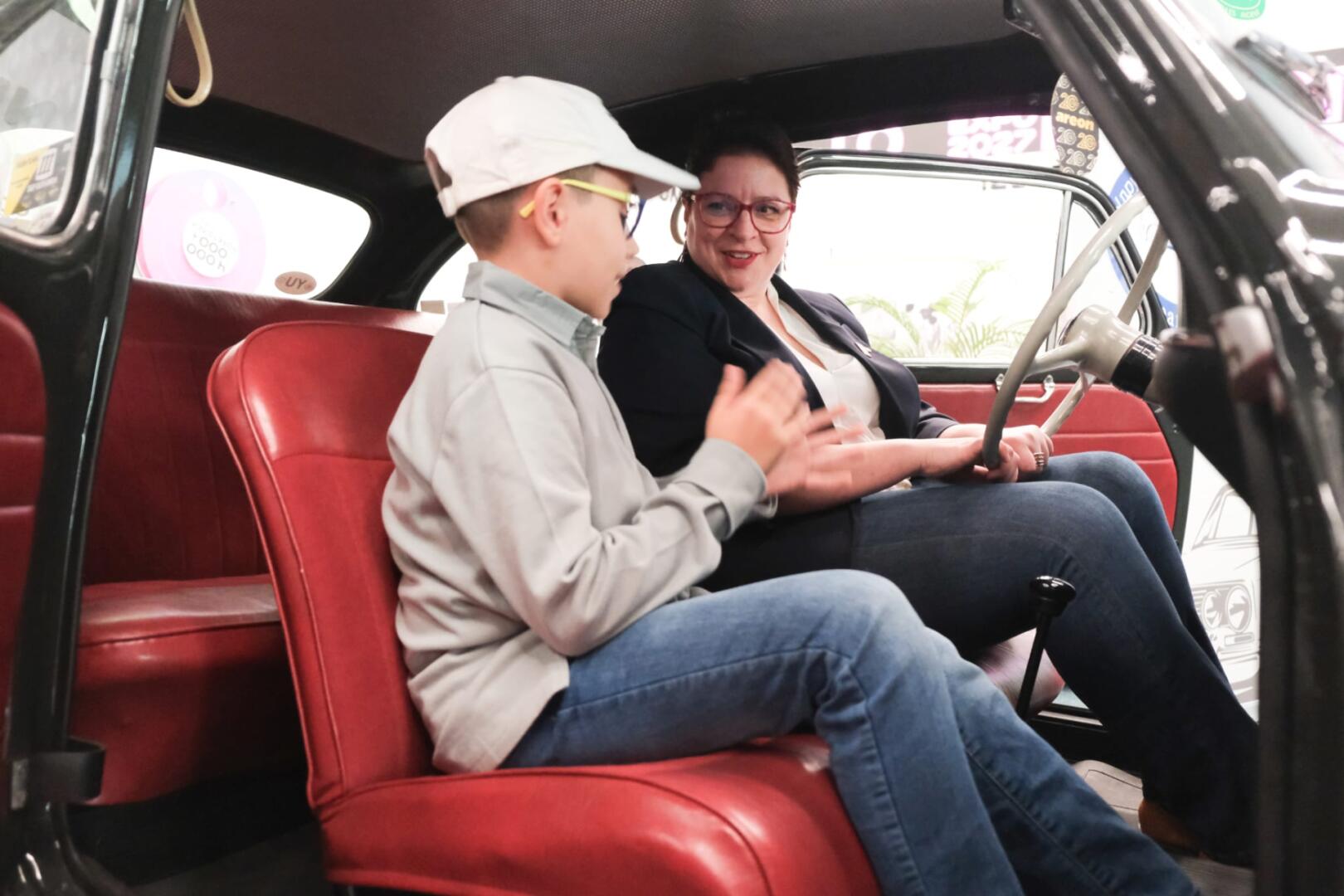
The exhibition, hosted in the central EXPO 2027 Playground area at the Belgrade Fair, marked the first institutional presentation of SSIV at this level. It showcased historic vehicles not only as technical artefacts, but as an essential part of Serbia’s cultural, industrial, and scientific heritage, while reinforcing the role of SSIV within the global FIVA community.
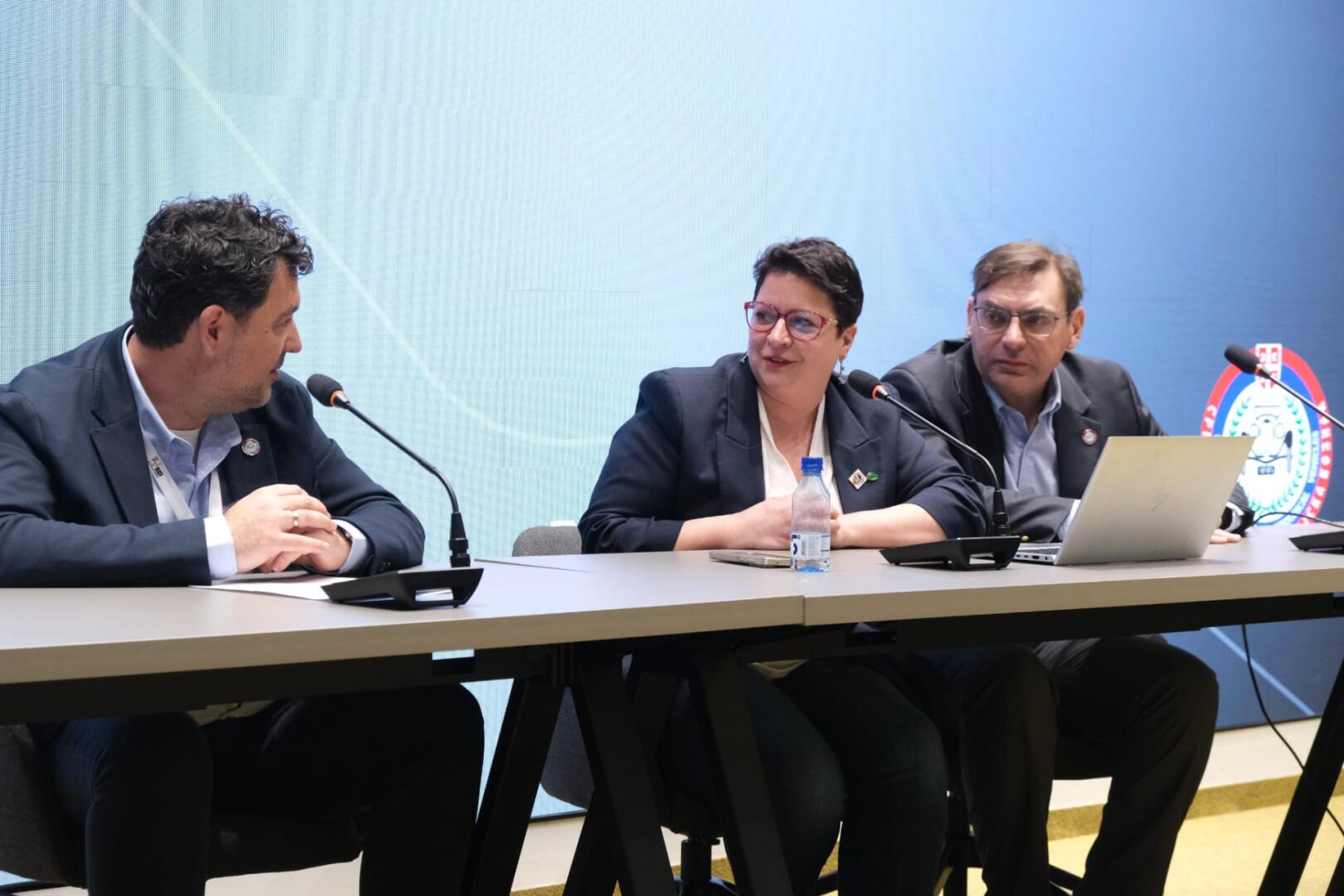
A key highlight of the event was an institutional panel discussion focused on the regulatory framework for historic vehicles in Serbia and the process of granting historic status. The discussion brought together representatives of national institutions, including the Serbian Road Traffic Safety Agency, alongside international expertise.
On Sunday, 22 March, Nataša G. Jerina, FIVA Senior Vice President (Internal Affairs), participated in the panel, presenting FIVA’s mission, current challenges, and strategic direction under the new leadership elected in November 2025.
She was joined by Aleksandar Vidojković, member of the FIVA Culture and Youth Commission, who introduced the Commission’s activities and priorities, while the President of SSIV, Vladimir Atanacković outlined the importance of national federation in preserving and promoting historic vehicle heritage.
The event represented an important milestone for SSIV, strengthening its visibility and credibility at national and international level. At the same time, it highlighted the growing role of FIVA in supporting countries where the institutional framework for historic vehicles is still developing.
FIVA’s presence in Belgrade sent a strong signal of support for Serbia’s efforts to build a stable, internationally aligned system for historic vehicle preservation, fully integrated within the global heritage community.