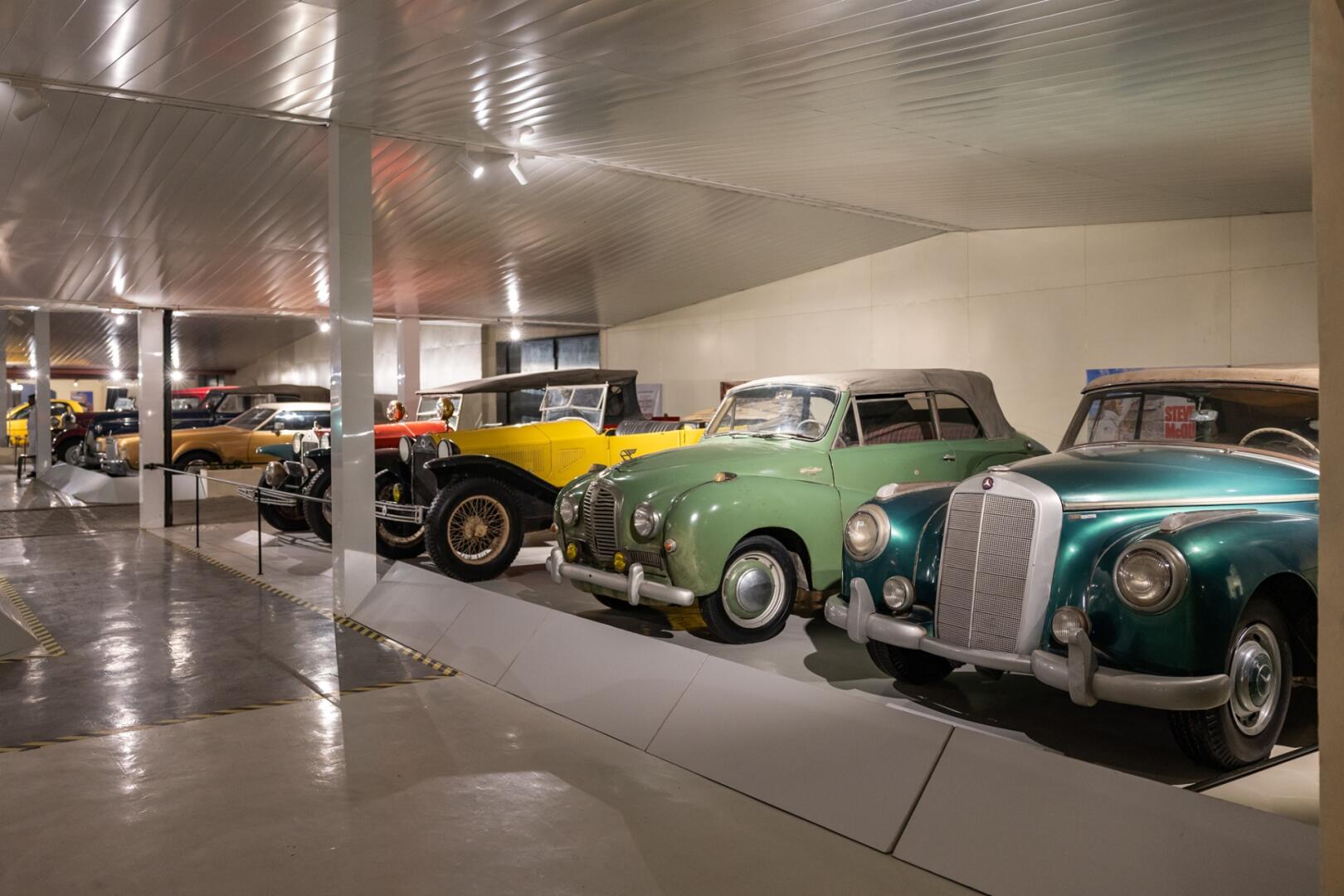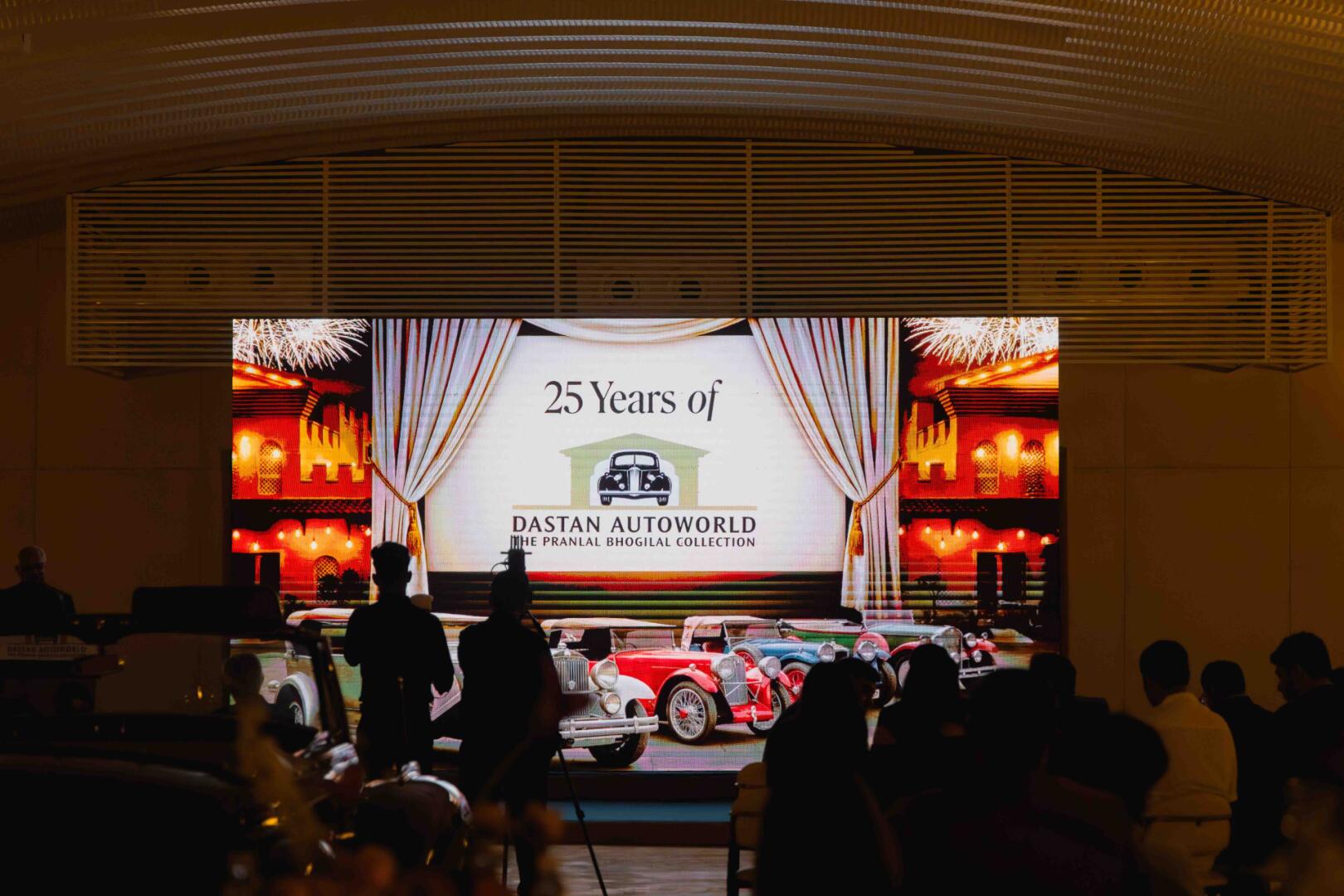
Cinema emerged in the late 19th century, with the first public film screening by the Lumière brothers in Paris in 1895, and although the automobile was invented earlier, it was in the early 20th century that both cinema and the automobile were embraced globally.
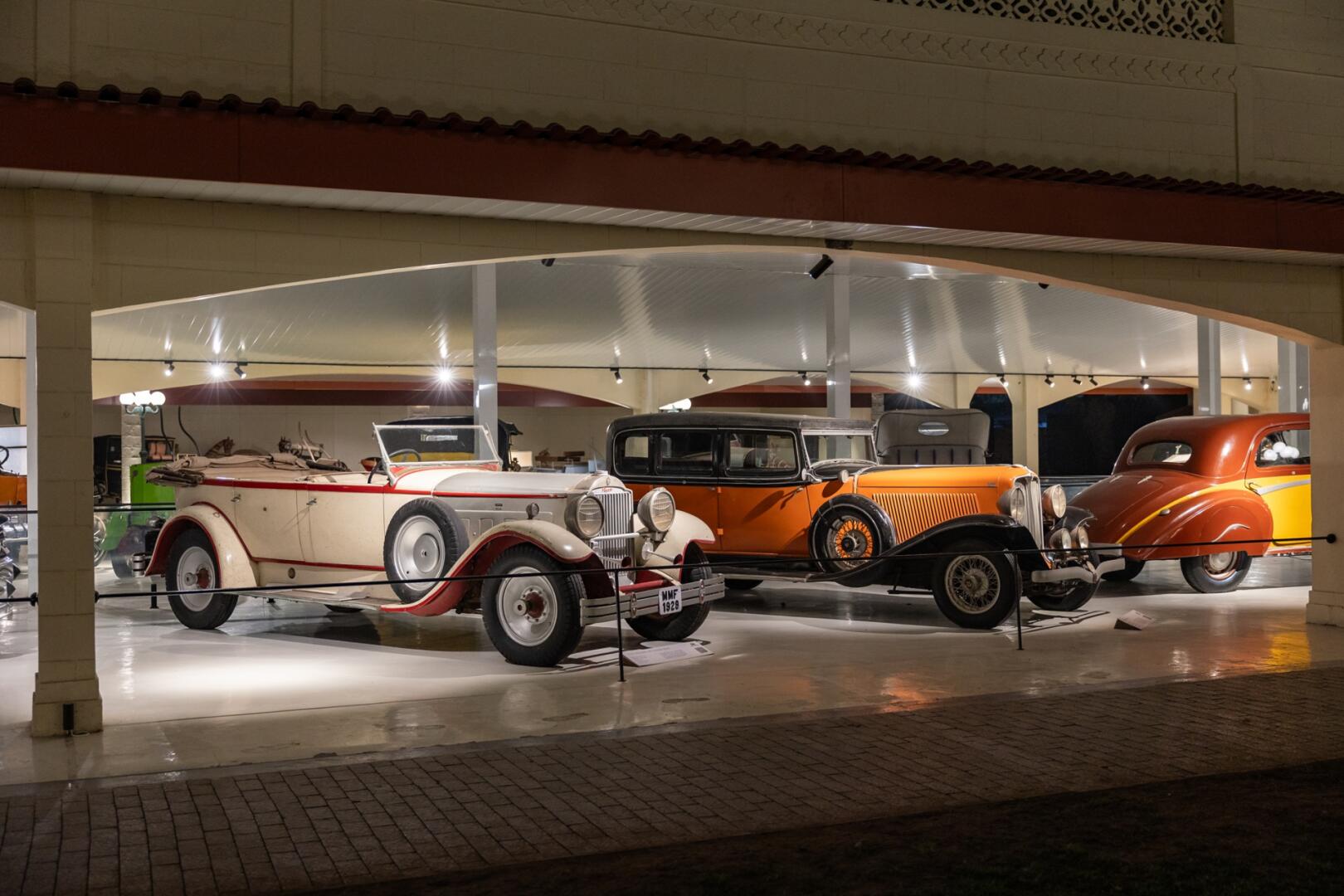
This twinning of cars and cinema and the strong connection that the two has had since the beginnings of the 20th century inspired the creation of India’s first Cars & Cinema Festival at the Dastan Autoworld Museum, not only one of the country’s most important museums for historic vehicles but also a FIVA Member. The three-day event celebrated the relationship between automobiles and film through screenings of classics such as The Italian Job (1969), Back to the Future, Le Mans, F1, Cars, and Indian favourites including Chalti Ka Naam Gaadi, Dhoom, and Race 3. Clips from films such as Grand Prix, Ford versus Ferrari, Apradh, The Fast and the Furious, and C'était un rendez-vous were also shown.
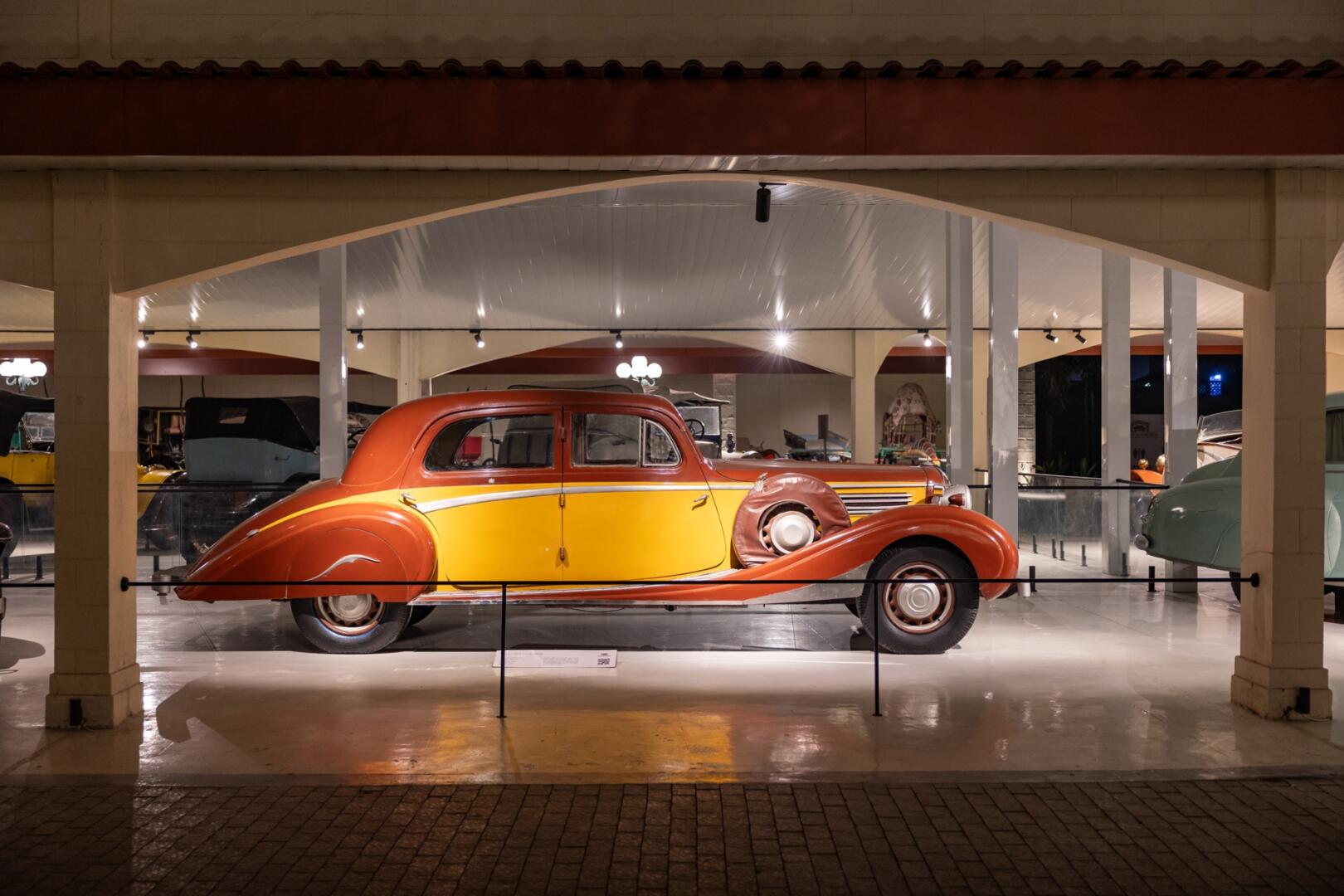
The festival attracted renowned automotive figures such as Sir Michael Kadoorie and Louise Wood, along with enthusiasts from across India. The festival was fully supported by the FIVA ANF, the Classic Drivers Club, with special mention going to the participation of Prithvi Nath Tagore, Raja Mukherjee, Indrojit Sircar, and Jubonashya Duttal, among others. Films were screened indoors during the day and outdoors in the evening among historic cars, some of which had appeared in movies.
From early comedies to modern blockbusters, automobiles have played a vital role in cinematic storytelling, symbolising freedom, identity, and technological fascination. The link between Ajantrik, Abhijan, and Taxi Driver illustrated how cinematic ideas can travel across cultures and generations. The festival offered only a glimpse into this vast subject, but its success suggests it may become an annual celebration of the enduring relationship between cars and cinema.