
Carpathian Classic
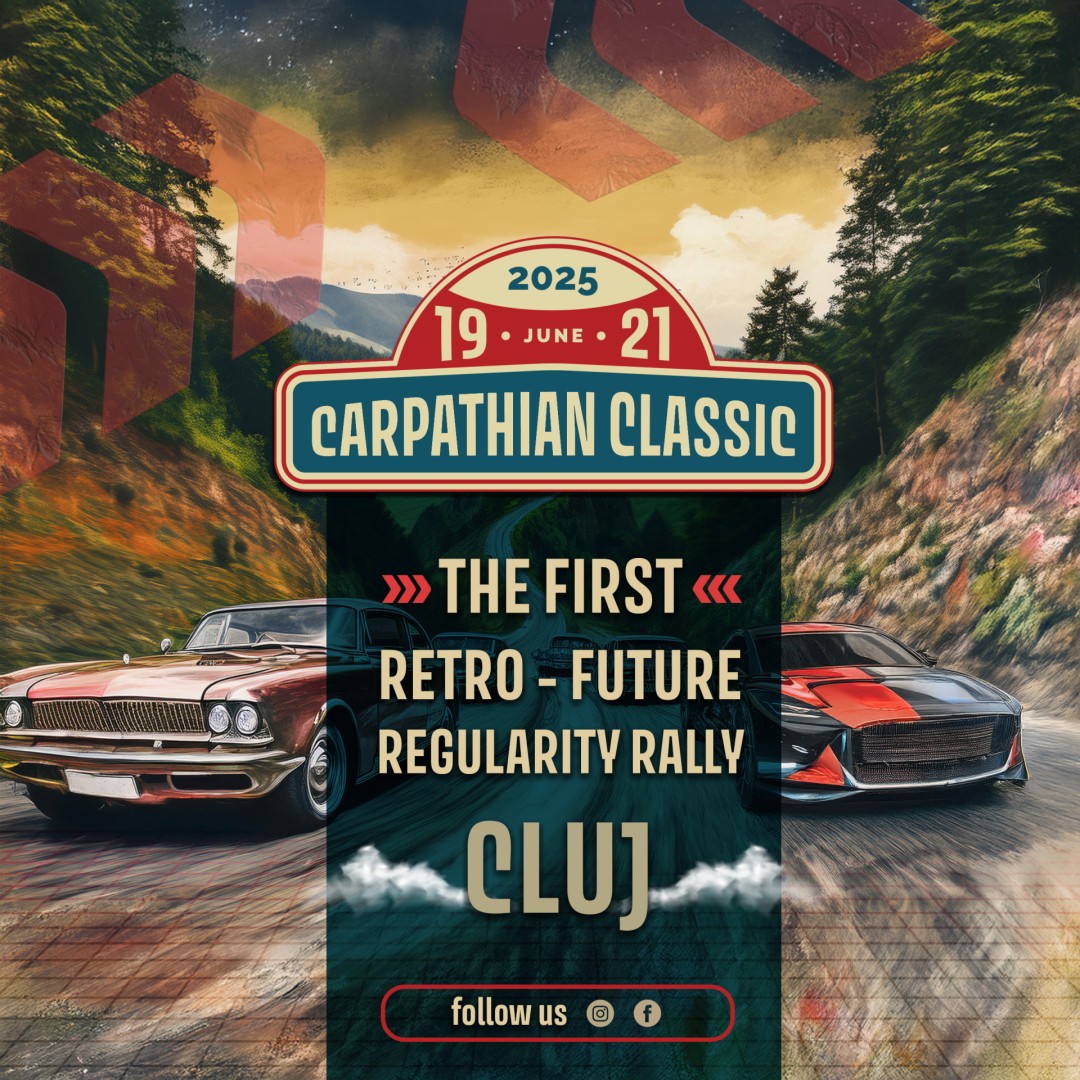
Event Start
19th Jun 2025
Event Finish
21st Jun 2025
FIVA Registration Number:
FR 19/2025
Event ID:
820
Event Types:
Regularity
Vehicle Types:
Cars
Motorcycles
Utilitarian
Event Category:
FIVA Event
Countries the event will pass through:
Romania
Address:
Cluj Napoca, str. Aleea Stadionului, Cluj Arena, Cluj Napoac, Cluj, 400375
Country:
Romania
Entries:
100
Length (KM):
450
Vehicles eligible from:
1900
Vehicles eligible to:
1995
ANF:
Retromobil Club Romania
Organiser:
Commercial Partner:
No
Address:
Cluj Napoca, street Livezii nr. 63, Romania, Cluj Napoca, 400375
Country:
Romania
Measures to Reduce Climate Impact:
Here are the measures to reduce the environmental impact of the Carpathian Classic 2025 event:
1. Promotion of electric cars- we encourage to use electric vehicles inside the cities, contributing to the reduction of carbon emissions. Thus achieving cleaner air in the metropolitan areas.
2. Route through nature, with attention to environmental conservation - the rally route will be chosen in a way that minimizes the impact on sensitive ecosystem, adhering to local environmental protection regulation.
3. Recycling and waste management- Implementing recycling and proper waste management measures at associated events, along with the use of biodegradable materials.
4. Use of the renewable energy - If the necessary infrastructure is available, renewable energy (solar panels) could be used to power equipment and facilities along the route.
5. Promotion of efficient driving - Educating participants and promoting fuel-efficient driving techniques, such as avoiding sudden accelerations or maintaining a steady speed, to reduce emissions and fuel consumption.
6. Partnerships with eco-friendly suppliers - Collaborating with local suppliers and partners who promote eco-friendly practices and use sustainable products, from organic food to event equipment made from recyclable or reusable materials.
7. Education and awareness of participants - Organizing workshops or information sessions on sustainability and environmental impact. We will invite experts or NGOs to talk about how we can protect the environment.
8. Noise reduction - For rallies near natural habitats or protected areas, we will implement strict noise regulations for cars and other equipment to minimize the impact on local wildlife.
9. Use of electric support vehicles - Replacing support vehicles (assistance cars, organizer vehicles) with electric or hybrid alternatives. This will reduce emissions generated by auxiliary event activities and emphasize the commitment to sustainability.
10. Monitoring and reporting environmental impact: Implementing a system to monitor the event's environmental impact (CO2 emissions, energy consumption, etc.) and presenting a transparent report after the event with the goal of improving future editions. show less
1. Promotion of electric cars- we encourage to use electric vehicles inside the cities, contributing to the reduction of carbon emissions. Thus achieving cleaner air in the metropolitan areas.
2. Route through nature, with attention to environmental conservation - the rally route will be chosen in a way that minimizes the impact on sensitive ecosystem, adhering to local environmental protection regulation.
3. Recycling and waste management- Implementing recycling and proper waste management measures at associated events, along with the use of biodegradable materials.
4. Use of the renewable energy - If the necessary infrastructure is available, renewable energy (solar panels) could be used to power equipment and facilities along the route.
5. Promotion of efficient driving - Educating participants and promoting fuel-efficient driving techniques, such as avoiding sudden accelerations or maintaining a steady speed, to reduce emissions and fuel consumption.
6. Partnerships with eco-friendly suppliers - Collaborating with local suppliers and partners who promote eco-friendly practices and use sustainable products, from organic food to event equipment made from recyclable or reusable materials.
7. Education and awareness of participants - Organizing workshops or information sessions on sustainability and environmental impact. We will invite experts or NGOs to talk about how we can protect the environment.
8. Noise reduction - For rallies near natural habitats or protected areas, we will implement strict noise regulations for cars and other equipment to minimize the impact on local wildlife.
9. Use of electric support vehicles - Replacing support vehicles (assistance cars, organizer vehicles) with electric or hybrid alternatives. This will reduce emissions generated by auxiliary event activities and emphasize the commitment to sustainability.
10. Monitoring and reporting environmental impact: Implementing a system to monitor the event's environmental impact (CO2 emissions, energy consumption, etc.) and presenting a transparent report after the event with the goal of improving future editions. show less
Here are the measures to reduce the environmental impact of the Carpathian Classic 2025 event:
1. Promotion of electric cars- we encourage to use elec...show more
Facebook:
Instagram:
Website:
Primary Steward:
No steward assigned
ANF:
Retromobil Club Romania
Vintage Shamrock
Read more
arrow_right_alt
Concorso d’Eleganza Villa d’Este 2026
Read more
arrow_right_alt
GRAN PREMIO RECOLETA TIGRE 2026 - 120 ANIVERSARIO
Read more
arrow_right_alt
London to Lisbon 2026
Read more
arrow_right_alt
Franken Classic
Read more
arrow_right_alt
44. Int. Ibbenbürener Motorrad-Veteranen-Rallye
Read more
arrow_right_alt